How a piece gets its identity.
Four steps, and then it runs on its own for the life of the object. Click through them.
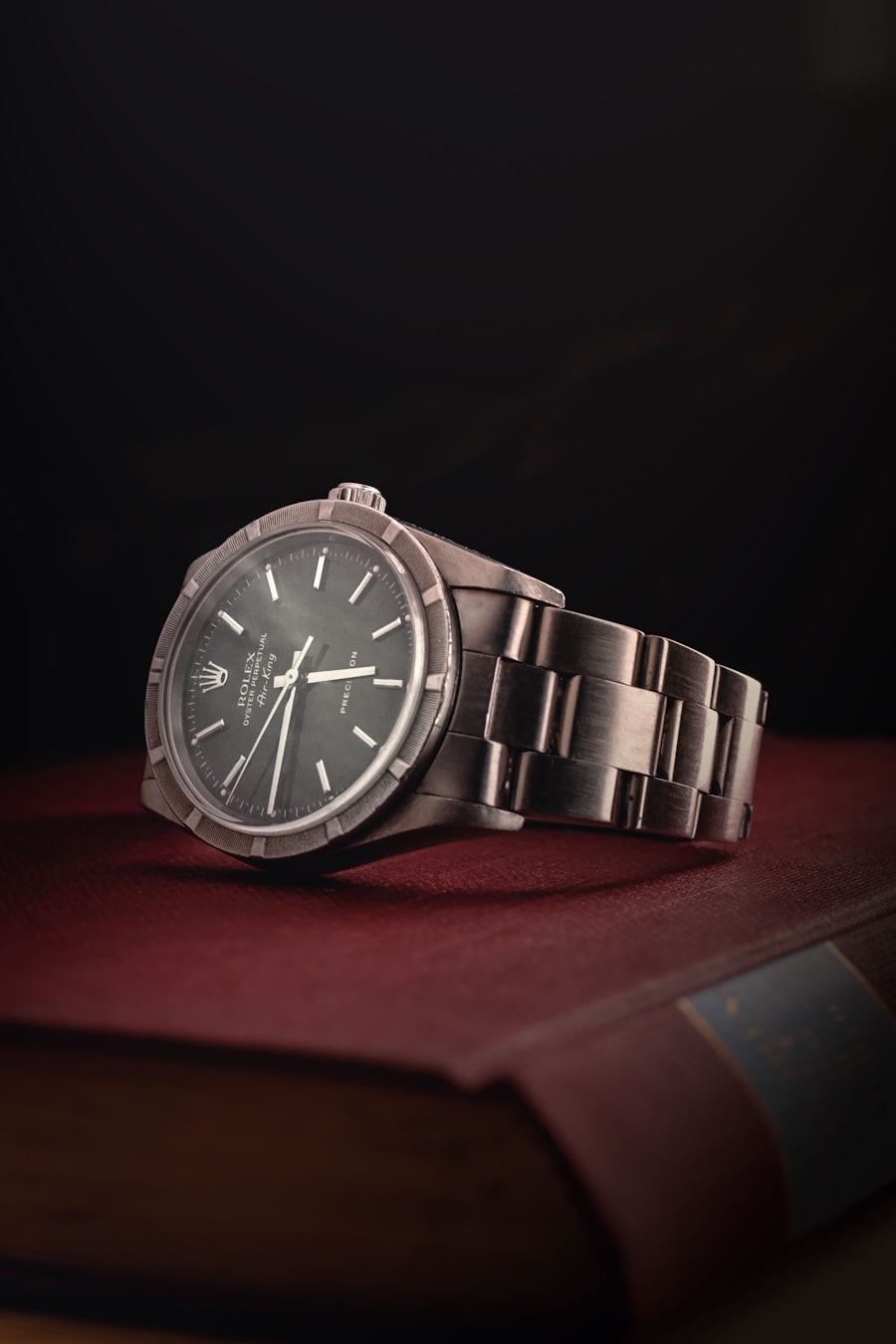
What actually goes into the piece.
Set inside the piece, at the workshop.
A passive NFC inlay a few millimetres across, closed into the case back, the lining or the setting before the piece ever leaves you. No battery, nothing to charge, and no way to lift it onto a counterfeit without destroying it.
- Fitted
- Case back, lining or setting
- Power
- None. It draws from the phone
- Life
- As long as the piece
Both hold a private key set once at manufacture. A scan asks it to sign a challenge; a copy has no key to sign with, so it fails.
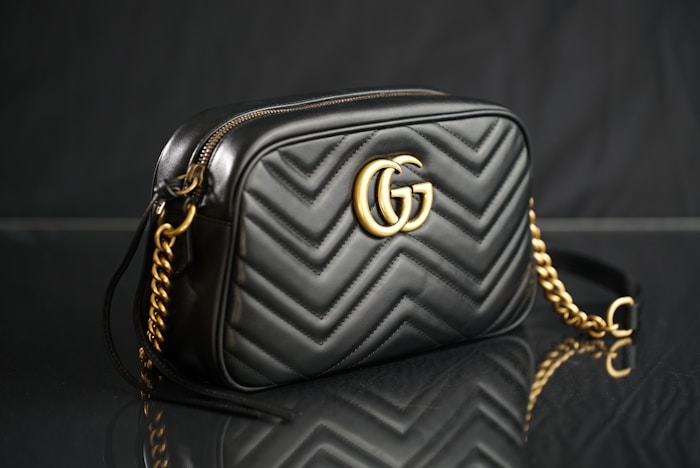


The rules are about to change. This is built for what comes after.
Between 2026 and 2030 the European Union will require every luxury product sold in its market to carry a verifiable digital identity. Brands without that infrastructure lose access to the largest luxury market in the world.
2026
Pilot begins with textiles and fashion
2028
Extended to electronics and batteries
2030
Full mandate across applicable categories

Restaurants and hotels are next as the network grows.
Pricing that follows your catalogue.
There are no fixed tiers and no per-seat fees. You pay for the tags you activate, so the cost tracks the size of your catalogue and nothing else.